
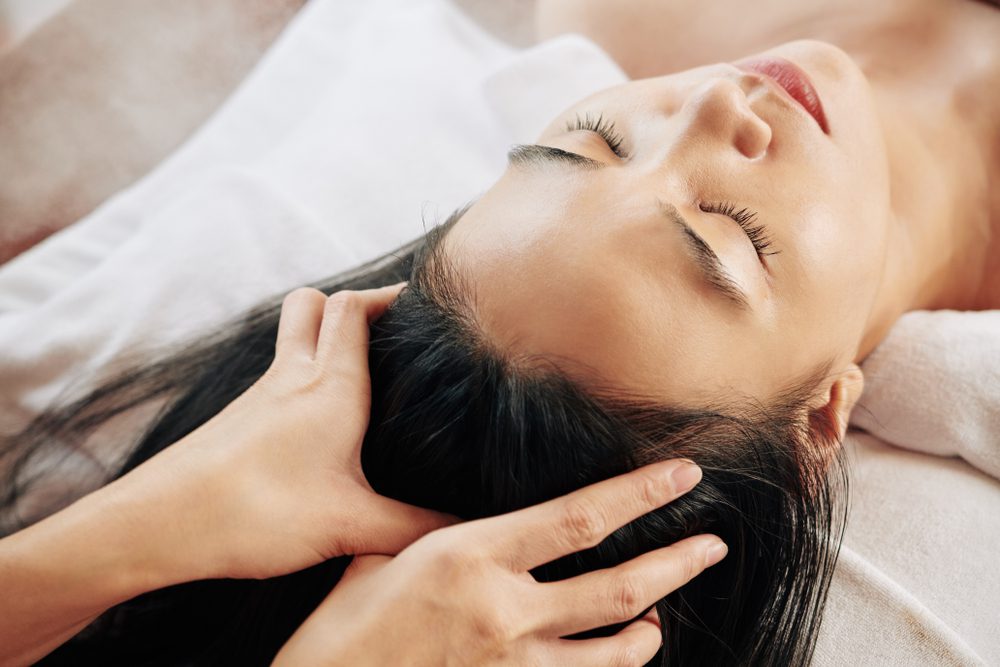
Short courses such as Indian Head Massage offer an excellent opportunity for both new and experienced therapists to broaden their skills in a practical and meaningful way. Whether you are already working in the field or just beginning your journey, this therapy fits naturally into many treatment settings.
One of the main benefits of participating in an Indian Head Massage course is that it works very well as an add-on therapy. It can easily be incorporated into existing massage, reflexology, or holistic treatments, enhancing the overall experience for clients. Many clients appreciate the focused attention on the head, neck, shoulders, and face, especially in today’s fast-paced world where stress and tension are common.
At the same time, Indian Head Massage can also be offered as a stand-alone treatment. It requires minimal equipment, can be performed seated, and is suitable for a wide range of clients. This makes it ideal for clinics, workplaces, community settings, or wellness events. For therapists, it provides flexibility and an additional source of income without the need for major changes to their practice.
For those who are new to complementary therapies, a short course is a gentle and practical first step. It allows you to gain hands-on experience, build confidence, and decide whether you would like to continue with further training in holistic therapies.
Another valuable aspect of attending a short course is the chance to meet and connect with other therapists. Sharing experiences, ideas, and practical tips in a classroom setting enriches learning and often leads to lasting professional connections.
Overall, Indian Head Massage training is a rewarding investment — practical, versatile, and deeply rooted in traditional holistic care.


